
The Old Ways of Computing Were Objectively Better
Not as fast, but certainly much better
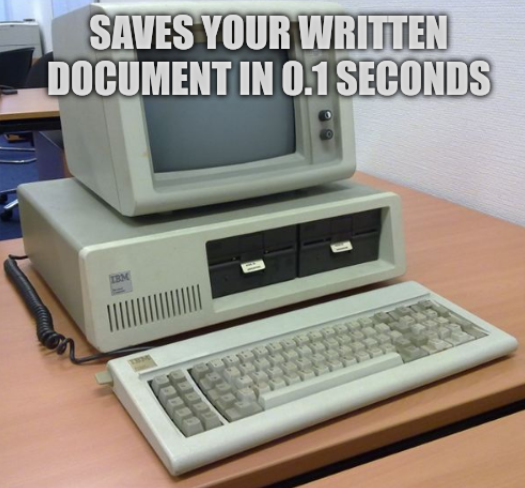
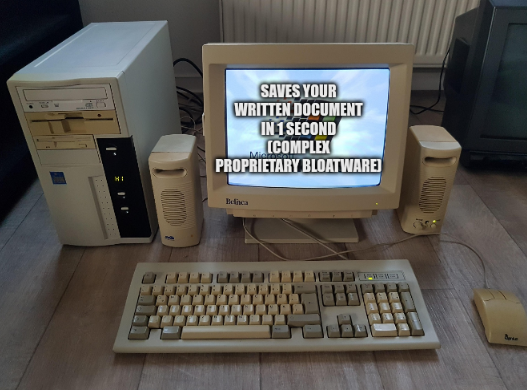
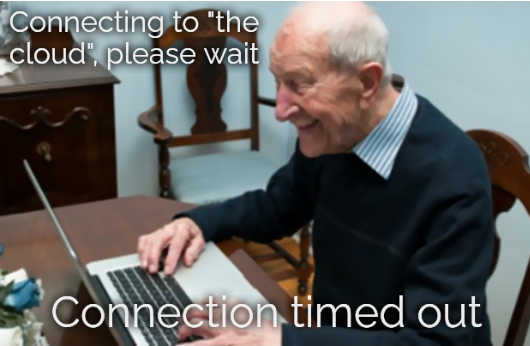
It will soon be 30 years since I built my first site (it was in Geocities; it was very common back then). Back then the Web didn't require multi-core processors and connections that transmit more than a few kilobytes per second. Images were small, text was abundant (encoded more compactly, too), and the overhead in packets was smaller. Even without CDNs and various proxies ('accelerators'), even without tabs in one's browser (for multitasking), one could move between one article to the next, browse online catalogues of photos, transmit long messages to people, and read various bulletin boards. So what has changed isn't us but factors external to us. Or people who don't give a damn. We say, “look, software is getting worse” [1] and it's not a new thing. Some people yearn for how things used to be [2] and recognise that - to them at least - "Childhood Computing" [3] was better.
The main problem is that today's "computing movement" [sic] isn't controlled by ordinary people but corporations that market themselves to governments as tools of social control (in other words, coercion and oppression). The capital was allocated towards such outcomes - there's more money in manipulation than in emancipation. █
Related/contextual items from the news:
-
No, AI is not making software worse, people are
So when people point at AI-generated code and say “look, software is getting worse,” I want to ask: worse compared to what? Compared to the 10GB text editor? Compared to the chat app that needs a gigabyte of memory to show you messages? Compared to the desktop apps that are just websites wearing a window? We accepted all of that. We applauded a lot of it. Let’s not suddenly grow a conscience the moment a model writes the bad code instead of a person.
That would be hypocrisy, plain and simple.
-
Joining the IndieWeb Zine Pop Up
On Saturday I joined an IndieWeb pop up about zines, hosted by Morgan. The meetup was about both zines and the intersection of zines and personal websites – the affordances of each medium, how the mediums compare, where the mediums intersect, and more. I helped take notes (notes available on the community wiki) and, looking back, I realise it was hard to keep up with all the discussion: there was so much to explore!
-
Childhood Computing
Since I had so little time with an actual computer, most of my Logo programming happened with pen and paper at home. I would 'test' my programs by tracing the results on graph paper. Eventually, I would get about thirty minutes of actual computer time in the lab to run them for real. One particular Logo program I still remember very well drew a house with animated dashed lines, where the dashes moved around the outline of the house. Everyone around me loved it, copied it and tweaked it to alter the details and add their own little touches. That must have been my first 'free and open source software'. The 'licence' was 'do whatever you want but show me if you make any interesting modifications'. The distribution system was entirely analogue: classmates copied the code into their notebooks with pencils, then went back to their machines in the lab and typed it back into the computer.