
25 Years With PalmOS
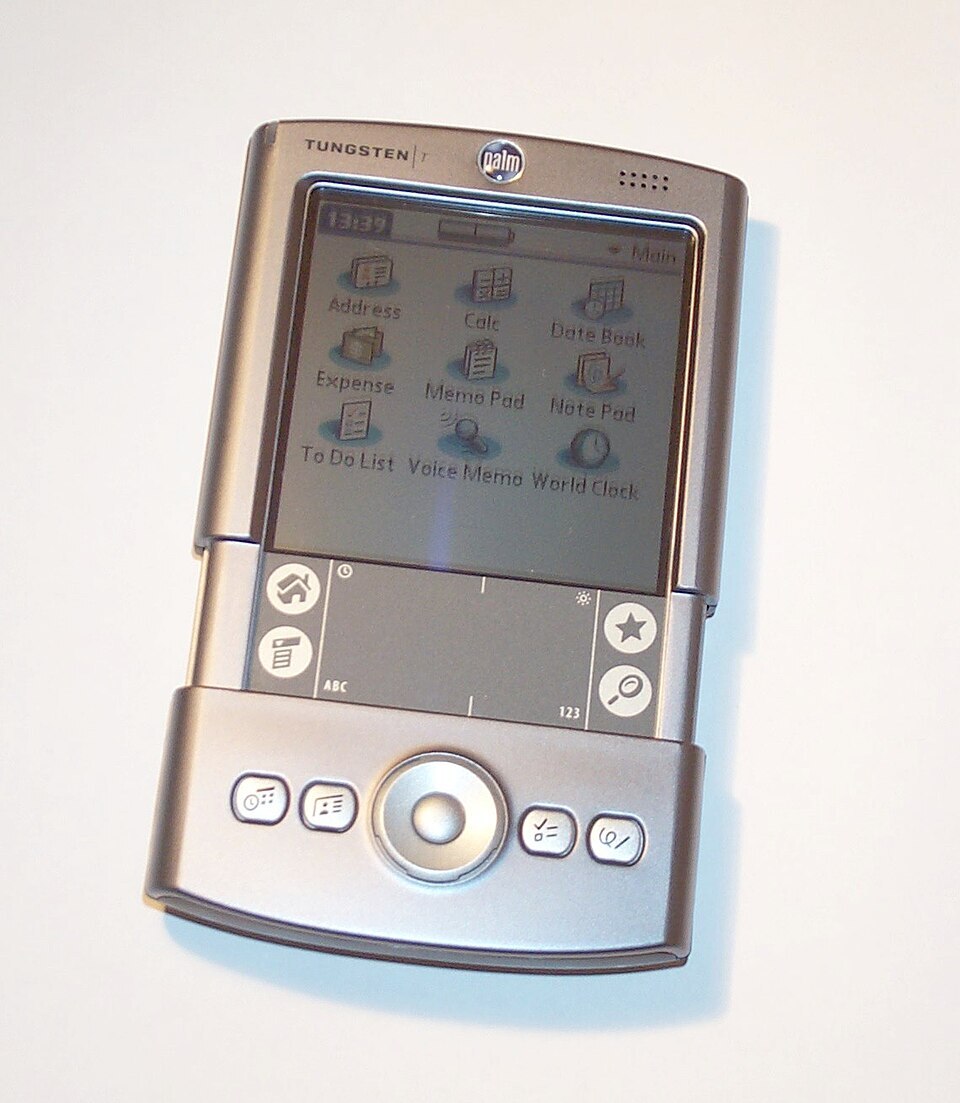
PalmOS is not Free software (Cobalt didn't happen; Microsoft had attacked Palm before a Linux-based successor could be accomplished) and WebOS is now a Korean thing (called "LG webOS") that spies on people through home appliances (HP could make nothing pragmatic of it, now LG uses it).
While PalmOS remains proprietary, a lot of software for it (those were not called "apps") is GPL-licensed, including the backup (to SD card) program that I still use. Since PalmOS isn't one of those "always-connected" (just "always-on", hibernating) devices that connect to random "hotspots" nearby the proprietary nature of PalmOS does not pose a serious security risk. For hostile parties to get in they'd need to trick the user into 'sideloading' (everything was 'sideloaded' back then) malware. Even then, what would they stand to gain through or from an offline device?
For note-tasking, time (clock, stopwatch etc.), voice memos and so on PalmOS is enough. The battery still works OK (unlike laptops made in the past decade; they don't last long and they're complicated to replace, as I explained last month).
I began using PalmOS as a student in 2001. I became a "Palm Addict", to use the name of a popular (internationally) site based in Manchester and hosted in TypePad way back then (my articles about PalmOS were habitually cited there). The "addiction", however, was nowhere as bad as "spyphone addition" as there were clearly defined limits to what I could do on an offline device; I used to type a lot into it, using an external keyboard. Many articles in Techrights were originally typed in PalmOS.
That my Palm PDA still works in 2026 (not in mint condition but close to that) says a lot about the "build quality" of gadgets 20+ years ago. █
Image source: Tungsten T (with sliding section extended)
