
Writing About Corruption
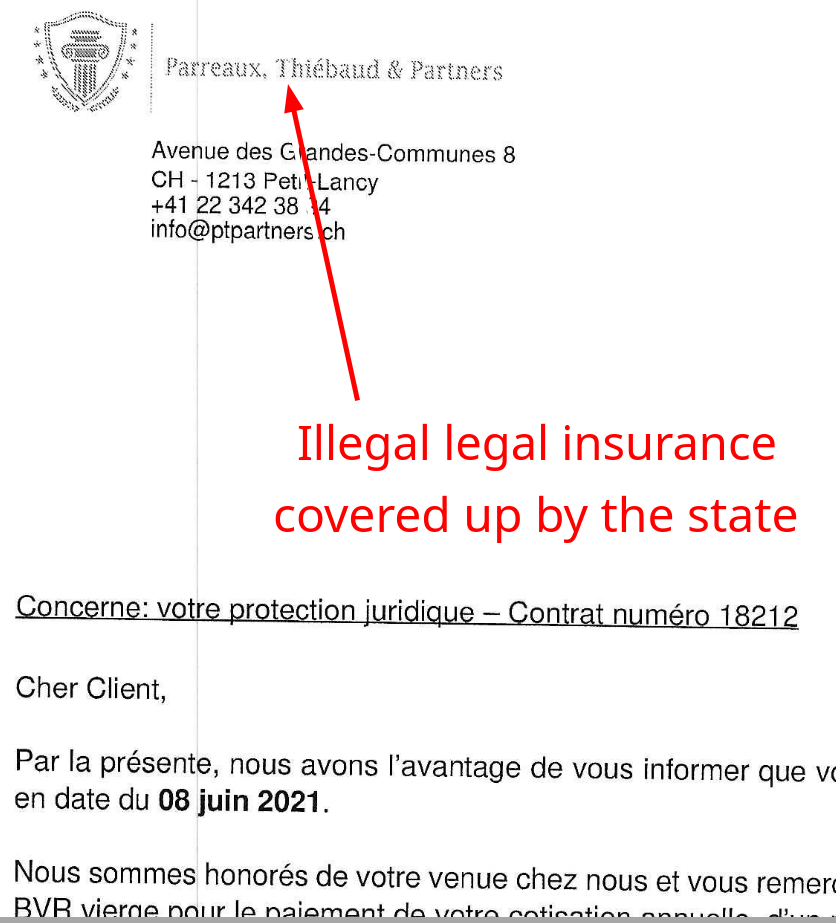
Fraud is everywhere*, as is corruption. We must talk about it (in spite of extortionate threats) and do something about it (sometimes regulators are also part of the problem which fails vulnerable people), not just acknowledge the problem exists or wrongly assume it'll prevail regardless (a form of attitudinal defeatism or paralysis).
This year we expect to write a lot about corruption, not limited to commercial corruption or political corruption. We also habitually receive empty threats (they sent one to my wife last week even though she had published nothing), in this case from "hired guns" that currently try to shake down universities for pre-settlement "protection money" (yes, sort of like patent or copyright trolls, but instead piggybacking the UK's very notorious reputation lawfare which desperately needs repairing, as always**).
Next week and this coming weekend we'll take a closer look at Europe's second-largest institution (new series started today) and it's safe to assume JuristGate will be further emboldened by the threats it has received lately [1, 2]. The exposure of real scandals draws fear, but who's afraid? (Afraid of words?) Corrupt officials. Rogue businesspeople who belong in prison. Even some jurists.
It's basically striking close to where it really hurts and shady individuals with dodgy (and sometimes illegal) tactics dread daylight.
When exposing corruption it is important to recognise that pressure grows the closer one gets to the core of a scandal. Then it's the right time to take things up a notch (like in Cocainegate), not to step back in any way whatsoever.
At the end of this month, after Richard Stallman (RMS) gives his talk in Georgia [1, 2], we'll have some interesting "internal" stories to tell. It seems like the real apologists of Jeffrey Epstein (RMS himself strongly objected to him and others like Bill Epsteingate implored MIT to not mention their connections to him) don't want the rich and powerful - many of whom strongly connected to Kink Daddy Epstein - criticised in any shape or form. So the critics get attacked, as if the real issue is the criticism, not the crimes. █
_______
* Some of the fraud covered here implicated people I know. For many years my colleagues and I had money taken from us for a pension scheme that didn't exist (I exposed this crime in 2023 after endless stonewalling). Then, the British Government (despite acknowledging this was fraud) refused to do anything about it. True story. It felt like the British Government was in some sense complicit in this fraud and chose to turn a blind eye because it was connected to staff of London's Town Hall (GLA) and various other high-profile government departments. As if it's better to normalise corruption than to openly tackle it... (until shutdown; then the problem and the evidence 'vanishes')
** We can probably all accept that laws exist to be applied consistently and not selectively, and nobody is to be exempted from it. They're not to be applied universally or facilitate abuse from abroad, as so often happens (by proxy, from violent dictators and misogynists). Moreover, those who apply the law aren't to be blame for inherently bad laws, which are subjective and are also typically motivated by politics, ideology, commercial interests etc. and in part tied to a nation's tradition, culture, history and so on. Laws can change and there's eternally a need for recognition that some laws result not in justice but enrichment of litigators (doing more harm than good, collectively harming the public).