
How Software Freedom Would Benefit Everybody

In the simplest of terms, in English at least, Free software is computer software (code) that respects the liberty and will of its respective user or users. It enables freedom by virtue of being subjected to scrutiny, modification, and collaboration among many parties which serve as mutual regulators, deterring against serving the interest of any single party (against the empowerment by end users or to the detriment of competitors).
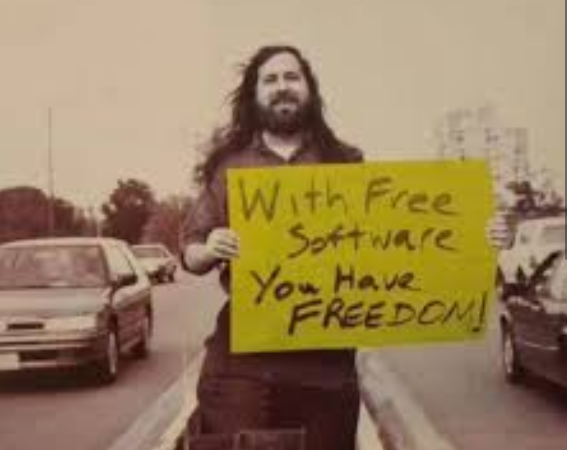
Like many other things in life, explaining those things is easier in the absence of them or by example of a negation. What does it mean not to have Software Freedom? It means the users of computers (or software running on computers) are coerced by another party and therefore exercise a lot less control over their workflows, lifestyle, etc.
To my wife, for example, recent changes in the way eBay handles label-making was a real nightmare. eBay vainly assumes that everyone has a skinnerbox and everyone can (or should) adopt some hypothetical workflow imposed by eBay. As a result of this, and since eBay software is remotely updated (it's centralised and proprietary), there is no opt-out, period.
In the absence of true control over various systems (that we control, use, own, or merely connect to) we cannot control our lives; someone else controls us.
This isn't a philosophical question for geeks alone; as everyone who participates in society uses some computer system/s sometimes (e.g. pensions being provided by some digital mechanism, the accounting aside) the breadth of the impact is vast.
A society that denies control by greedy companies would do a disservice to monopolies and improve all services to citizens. Let's strive for government officials who truly grasp these concepts and turn down kickbacks from monopolies. █
Image source: Cirno and large Glenda