
Europe Talks About "Digital Sovereignty" and Free Software in Europe is Where Things Should Start
They ought to start by inviting guests to explain Software Freedom, not corporate actors but grassroots or NGOs (not the fake 'FSF' that's called "FSFE")
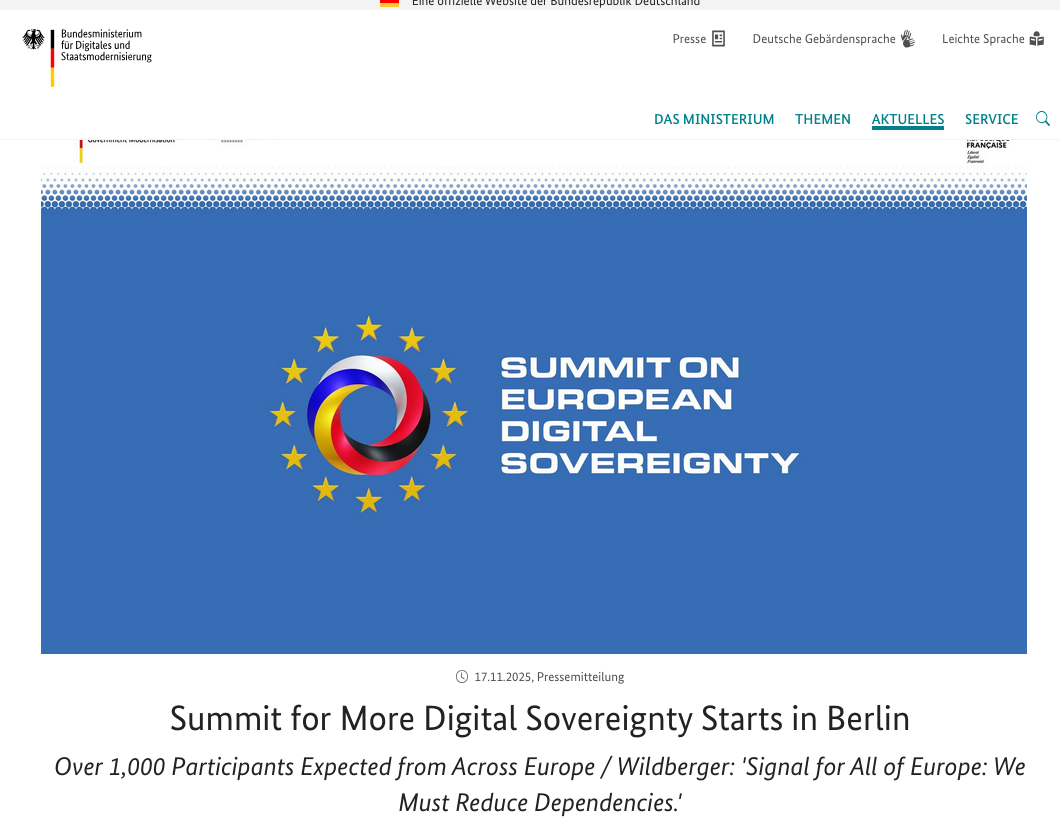
Do notice "Pavilion 4: Open Source" further down there in the page:
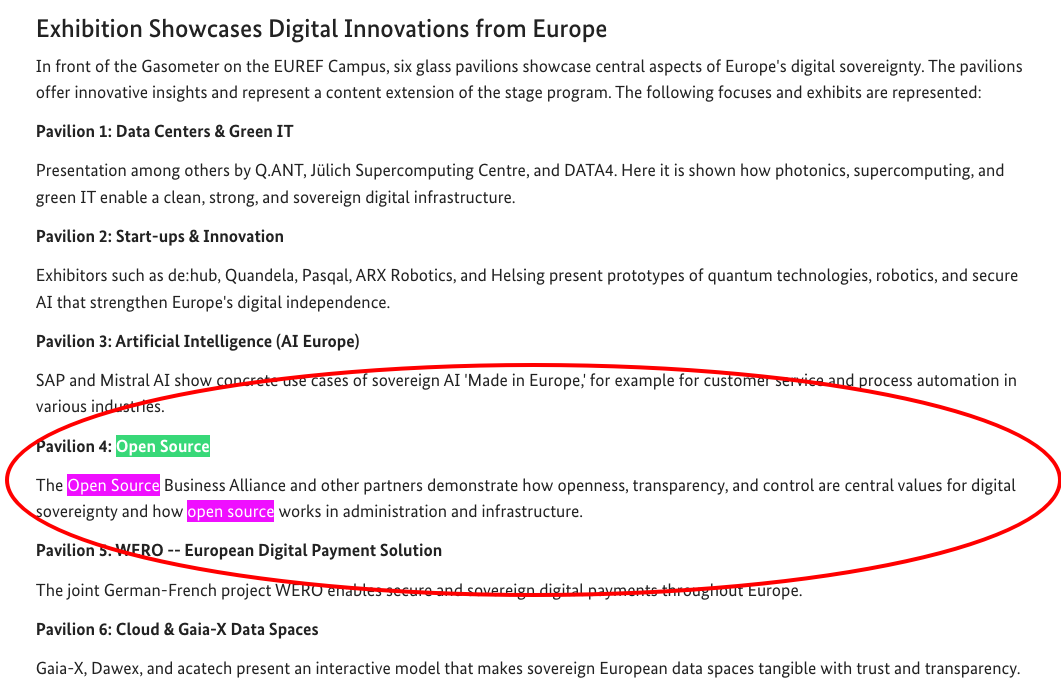
With the likes of Business Software Alliance (BSA) (front group of Microsoft et al) practically 'infesting' forums and discussions about every facet of society where software is concerned, it is refreshing to see Bundesverband für digitale Souveränität e.V. (OSBA) in there under "Pavilion 4".
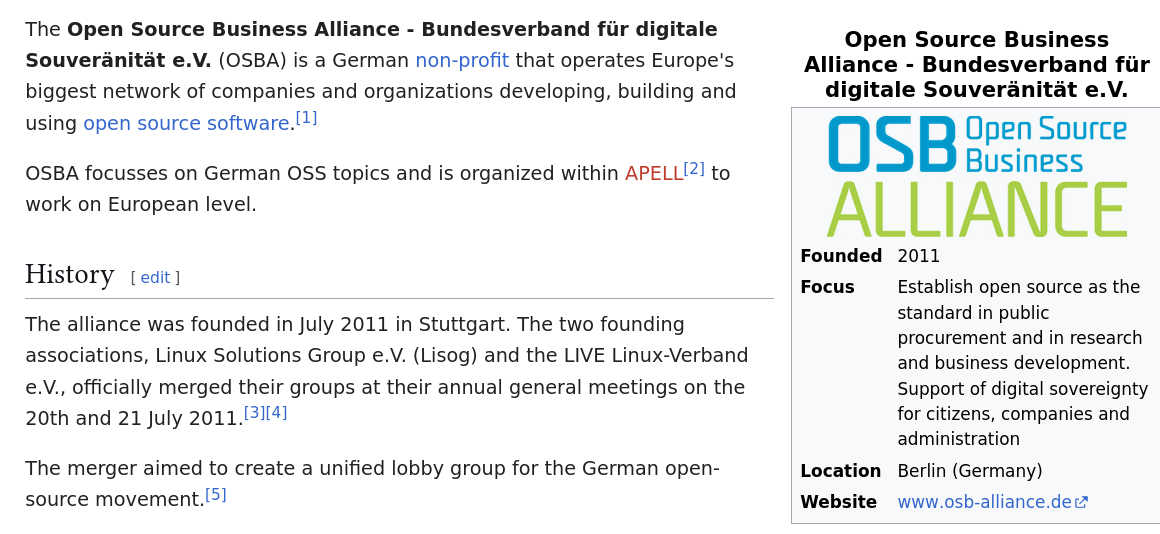
Wikipedia says "unified lobby group for the German open-source movement", but it should really say Free software movement. Open Source is not and was never a movement.
Semantics and labels set aside, Europe aims for "digital sovereignty" says this headline in French but English-speaking media. It says:
"Europe does not want to be the client" of the US or China in the field of technology, French President Emmanuel Macron told tech and political leaders gathered for a "digital sovereignty summit" in Berlin.
English-speaking media barely said a word about this, maybe because it is German and online media is very weak as a whole, it investigates almost nothing and takes money to promote Ponzi schemes instead.
"Can those in IRC dig up more?" one reader asked. "There is no news coverage at all."
Indeed, it seems like an almost suppressed topic - or some subject nobody bothers touching because no large corporation would pay for a puff piece.
"If it is what it looks like, it is a return to the pro-FOSS policies attempted around 2001. e.g. points 29 - 32," said the reader. This was 24 years ago:
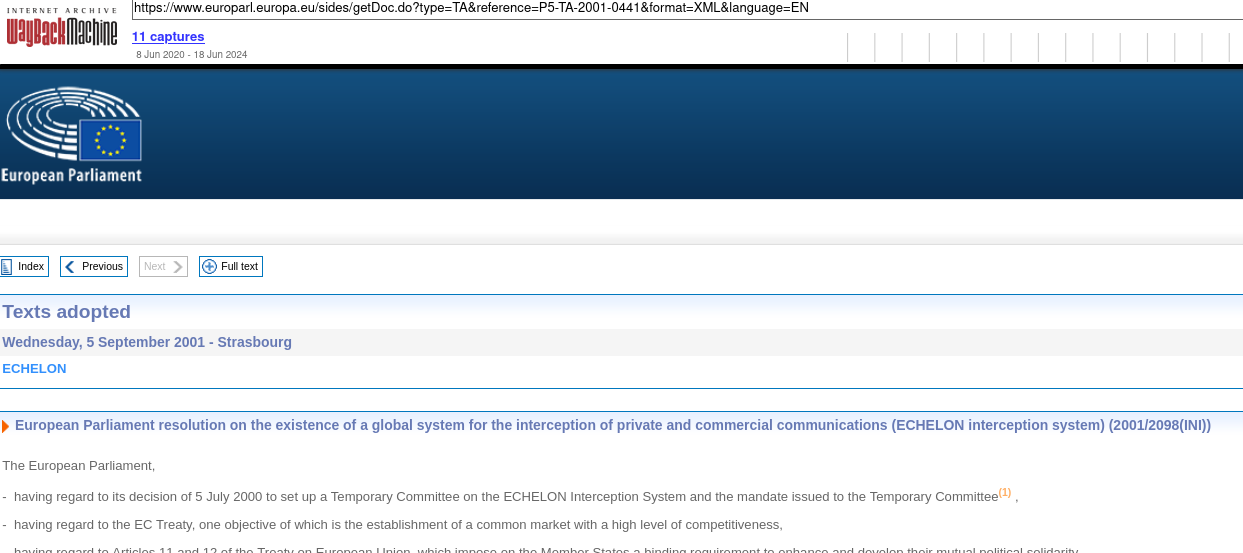
We've made a copy of the original because it vanished "offline" some years ago.
Is Europe ready to dump the likes of Clownflare and GAFAM? Set aside ethical and legal questions, outsourcing to these companies is a hallmark of technical incompetence and irresponsibility [1, 2].
Adding to this topic, the reader notes that it might be difficult to get ahead with this task or ambitious objective "Digital Sovereignty" because a lot has changed since 9/11 (the attacks in the US, they happened a few days after the above policies were put forth).
It would be nice to envision the EU truly investing in "Digital Sovereignty" (money is required, for sure). "However," said the reader, "the difference is that Microsoft now has 100s of thousands of Microserfs embedded in schools, universities, and agencies around the EU monitoring for and impeding CS development. Quislings, the lot of them."
Time will tell if anything concrete can emerge from the above, as media reports certainly have not, at least not in English. █